Every little thing You Required to Learn About Windshield Tinting for Your Vehicle
Windscreen tinting is a functional enhancement for vehicles, offering numerous advantages that lots of owners might forget. It gives advantages like UV security and temperature level control. Nevertheless, the selections readily available are substantial, and the lawful landscape can be complex. Comprehending the kinds of colors and setup procedures is essential for making informed decisions. As the conversation unravels, it ends up being clear that there is a lot more to contemplate prior to proceeding with windscreen tinting.

Advantages of Windshield Tinting
Some automobile proprietors may forget windscreen tinting, its advantages are significant. Among the main benefits is improved UV protection. Colored windshields can obstruct up to 99% of dangerous ultraviolet rays, minimizing the risk of skin damages for travelers and preserving the car's interior from fading and fracturing. Windscreen tinting can improve driving convenience by decreasing glow from the sunlight, which can be a safety and security threat. This reduction in glow allows for much better visibility and a much more delightful driving experience.Additionally, windshield tinting adds to temperature level control within the vehicle. By reflecting sunshine, it helps preserve a cooler cabin, bring about decreased reliance on a/c and enhanced gas efficiency. Privacy is another advantage, as colored windscreens provide a level of concealment from prying eyes, improving safety for individual items. Overall, the benefits of windscreen tinting make it a worthwhile consideration for car owners.
Kinds of Windscreen Tints
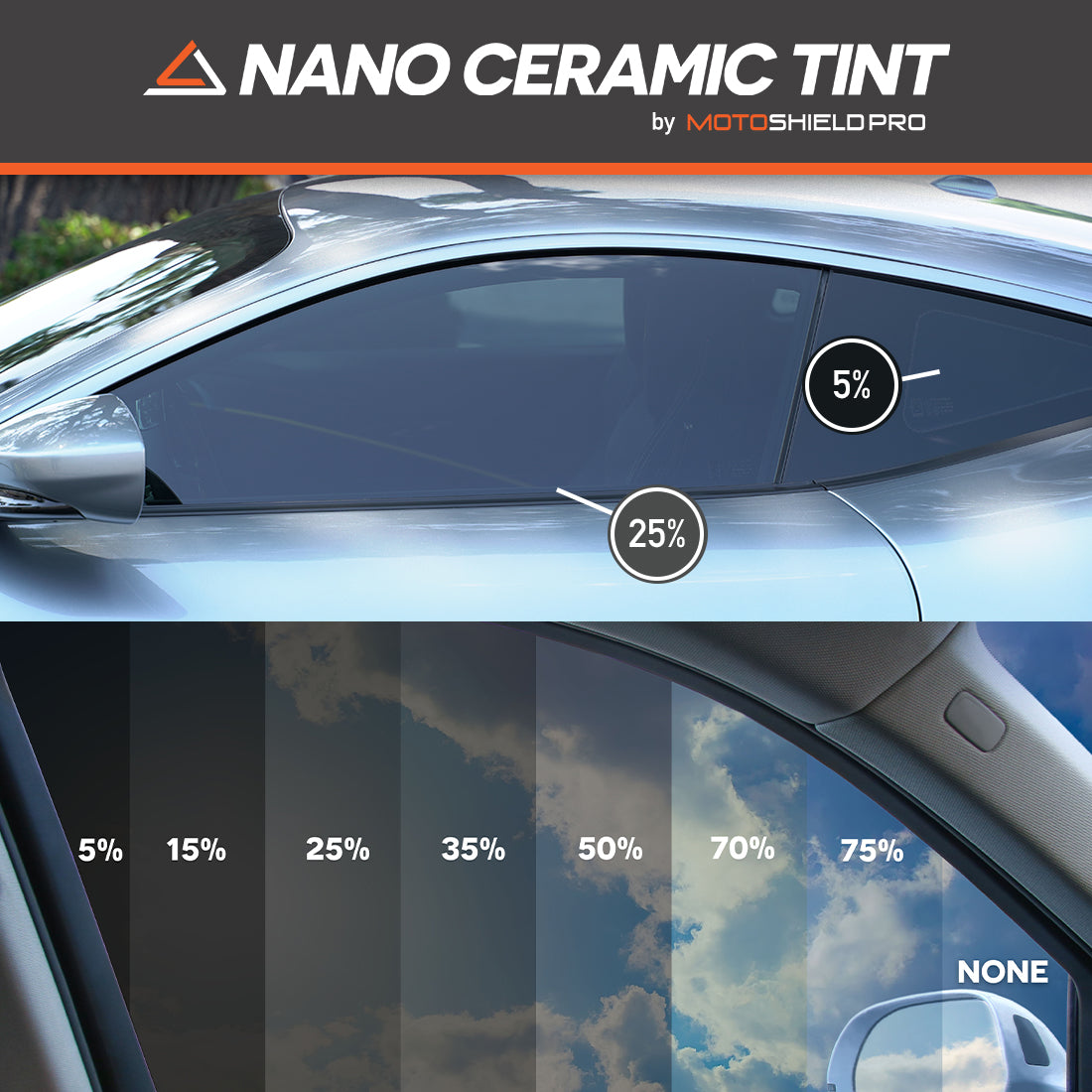
When choosing windscreen colors, lorry proprietors come across a range of options, each offering unique qualities and benefits. Windshield Tinting Newark. The most typical types include colored, metalized, and ceramic colors. Dyed tints are popular for their aesthetic allure and capacity to lower glow, but they may discolor gradually. Metalized tints incorporate little steel bits that enhance heat rejection and rise durability, although they can hinder digital signals. Ceramic colors are understood for their high performance, giving exceptional UV security and warmth being rejected without signal disturbance, making them a premium selection. In addition, some makers use hybrid choices that incorporate the advantages of metalized and dyed colors, supplying a balance of visual appeals and performance. Each sort of color differs concerning performance, rate, and appearance, allowing car owners to pick based on their details requirements and choices. Comprehending these alternatives is crucial for making an educated choice
Lawful Laws for Windshield Tinting
Lawful laws concerning windscreen tinting vary substantially by state, with each jurisdiction enforcing details exposure demands. Conformity with these laws is vital to avoid lawful penalties, which can include penalties or requireds to eliminate non-compliant tinting. Recognizing the subtleties of these regulations can help car proprietors make educated decisions regarding their tinting alternatives.
Tinting Laws by State
What policies control windscreen tinting throughout the United States? Windscreen tinting regulations vary substantially from state to state. Each state develops details standards relating to the permitted degrees of color darkness, the kinds of movies allowed, and the locations on the windshield where tinting can be applied. As an example, some states allow a particular percent of Visible Light Transmission (VLT) for the upper windscreen strip, while others might have more stringent constraints or straight-out restrictions. Additionally, states may differ in their enforcement of these laws, with some enabling exemptions for medical factors. Lorry proprietors have to acquaint themselves with their state's regulations to avoid penalties and warranty conformity when taking into consideration windscreen tinting choices for their cars.
Visibility Requirements
Legal Penalties for Infractions
Failing to stick to windscreen tinting laws can lead to considerable lawful fines for car owners. Many states implement certain regulations concerning the permitted tint percent and reflectivity on windscreens. Offenses may cause fines, which can vary widely depending upon the territory. In many cases, police may release a citation, calling for the vehicle owner to fix the tinting within a specified duration. Repeated offenses may result in increased fines and even factors on the vehicle driver's license. Furthermore, poorly tinted windshields can result in the lorry failing assessments, possibly bring about further charges. It is vital for vehicle owners to familiarize themselves with regional laws to avoid unnecessary legal problems and assurance conformity with tinting guidelines.
Setup Process and Tips
Installing windscreen tint calls for careful preparation and focus to information to protect a specialist finish. The process starts with selecting the proper color film that conforms with regional policies. As soon as chosen, the lorry must be parked in a clean, dust-free environment to reduce impurities throughout installation.Next, the windshield should be extensively cleaned up to remove any dirt, oil, or residues that might disrupt adhesion. Using a spray bottle loaded with a mix of water and a couple of declines of soap can aid oil the surface before applying the tint.The film is after that meticulously measured and cut to fit the windscreen, enabling a minor overlap at the edges. After placing the film, it ought to be squeegeed to eliminate air bubbles and safe and secure correct adherence. Cutting the excess film and enabling it to treat are necessary actions for a seamless surface.
Maintenance and Treatment for Tinted Windshields
Preserving colored windshields is essential for maintaining their look and functionality with time. Normal cleansing is vital; utilizing a soft microfiber fabric and a mild automobile glass cleaner helps prevent scratches and keeps quality. It is suggested to stay clear of ammonia-based cleaners, as they can weaken the tint.Additionally, routine inspections for any type of indications of peeling off or gurgling needs to be carried out. Dealing with these concerns without delay can prevent additional damages. Auto parking in shaded locations or utilizing sunshades can aid lessen sun exposure, minimizing the danger of fading.Furthermore, vehicle drivers should be careful when utilizing tools or devices that might unintentionally speak to the colored surface area. Careful handling, particularly when cleaning up or applying safety movies, can prolong the life-span of the color. By following these maintenance practices, automobile proprietors can assure their tinted windshields stay both useful and visually appealing for years to find.
Usual Myths About Windscreen Tinting
Several misconceptions border windscreen tinting, particularly pertaining to lawful limitations and the efficiency of warm reduction. Comprehending the real legislations regulating tint levels can help lorry owners make educated decisions (Windshield Tinting Newark). Furthermore, it is important to make clear exactly how much heat tinting can really lower inside a car
Lawful Limitations Discussed
What are the common false impressions surrounding the lawful limitations of windscreen tinting? Numerous people believe that any level of tint on a car's windshield is permitted, leading to confusion and prospective fines. Actually, laws vary noticeably by state, with specific laws dictating the allowed percentage of noticeable light transmission (VLT) Some think that darker tints offer full privacy; nonetheless, this frequently leads to lawful consequences if the color goes beyond local limits. Additionally, misunderstandings exist pertaining to the sorts of color movie that are lawful; for example, reflective tints may have stricter policies. Comprehending these lawful parameters is important for vehicle proprietors to guarantee and avoid penalties conformity while achieving their wanted aesthetic.
Warmth Decrease Misconceptions
Many mistaken beliefs surround the performance of windscreen tinting in reducing warmth inside lorries. An usual myth suggests that all tints substantially lower temperatures, but efficiency differs by the type and high quality of the film used. In addition, some believe that darker colors always provide far better warm decrease; nevertheless, progressed ceramic and metal movies can provide premium performance without read severe darkness. An additional misunderstanding is that tinting solely obstructs sunlight; actually, it can additionally reflect infrared rays liable for warmth. Many presume that windshield tinting is only beneficial in bright climates, neglecting its advantages in decreasing warmth also in cooler areas. Recognizing these myths is vital for consumers to make educated decisions about windshield tinting.
Regularly Asked Concerns
Will Windscreen Tinting Impact My Vehicle's Resale Worth?
The influence of windshield tinting on a car's resale worth varies. Some prospective customers may appreciate the included personal privacy and UV protection, while others might watch it as an adjustment that diminishes the automobile's allure.
Can I Use Tint Over an Existing Factory Tint?
Using tint over an existing manufacturing facility color is possible, but it may result in problems such as gurgling or peeling off. It's important to speak with a professional to ensure the best results and adherence to lawful regulations.
The Length Of Time Does Windscreen Tint Last?
Windshield color usually lasts in between five to 10 years, depending on the high quality of the movie, setup, and environmental aspects. Correct upkeep can extend its lifespan, preserving both look and performance versus UV rays and warmth.
Is Windshield Tinting Safe for All Kinds of Vehicles?
Windscreen tinting safety varies by vehicle kind and regional regulations. While lots of lorries can profit from tinting, particular designs or conditions may restrict its application, necessitating mindful factor to consider of legal limitations and supplier guidelines.
Can I Remove Windscreen Tint Myself if Needed?
Removing windshield tint can be a challenging task. It calls for mindful methods to prevent damaging the glass. Many individuals choose expert help, yet experienced DIYers might successfully finish the process with the right tools and patience. Each state develops specific guidelines regarding the permitted degrees of color darkness, the kinds of movies enabled, and the places on the windscreen where tinting can be used. In addition, some states ban any type of tinting on the windscreen other than for a maker's tint band at the top. Some presume that darker tints supply total personal privacy; however, this commonly leads to lawful repercussions if the tint exceeds local limitations. In addition, misunderstandings exist pertaining to the kinds of tint film that are lawful; for circumstances, reflective colors may have more stringent policies. Applying color over an existing factory tint is feasible, but it may lead to problems such as peeling or gurgling.
Comments on “Top Benefits of Windshield Tinting Newark for Safer Night Driving”